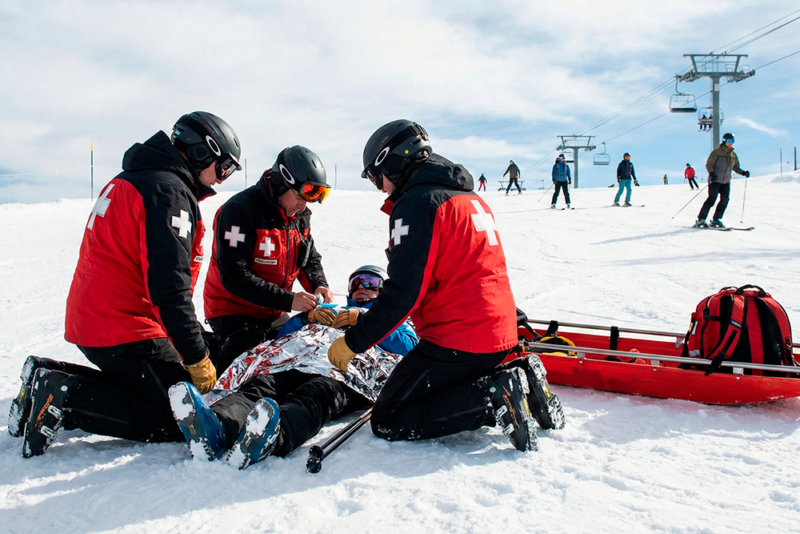
Navigating the aftermath of an incident on the slopes often involves a complex intersection of recreation law and personal injury principles. For many, the experience begins as a simple day of outdoor activity and evolves into a situation that requires careful consideration of rights, responsibilities, and the potential need for legal guidance. Understanding how these matters typically progress can help those affected make informed decisions.
The Immediate Post-Incident Phase
In the moments following a collision or fall, the priority is almost always safety and medical attention. If an injury occurs, documentation becomes a central concern as things settle. While the adrenaline of the moment often obscures the need for detail, gathering information is a common practice for those who may later need to reconstruct the events.
Typically, this involves reporting the incident to the appropriate mountain staff or resort management. Most establishments have internal protocols for recording these occurrences. It is also often helpful to document the surroundings, such as the specific trail conditions, potential witnesses, or contributing environmental factors, provided that doing so does not compromise safety or physical well-being. Keeping a record of any communication with resort personnel or other involved parties is a foundational step, as these initial details often form the basis of any future inquiries.
Developing a Comprehensive Understanding of the Situation
As time passes, individuals often find that the initial understanding of their injury or loss changes. Injuries that appear minor at the scene may develop into more persistent issues, and the complexity of the circumstances—such as equipment failure, trail design, or the conduct of others—may become clearer upon reflection.
This is the stage where many people begin to seek clarity on how to proceed. Consulting a ski accident lawyer can be a useful way to understand the legal landscape. A professional with experience in this niche can help explain the concept of assumption of risk, which is a common legal doctrine in recreational activities. In many cases, participants in sports are understood to accept certain inherent risks, but that does not necessarily mean all injuries are without legal recourse. Assessing whether negligence played a role—such as when a resort fails to maintain a trail properly or when another skier acts with extreme disregard for the safety of others—is a key part of evaluating a case.
Signs That External Guidance Is Necessary
Determining when to seek professional representation is a common challenge. Some incidents are straightforward and resolve through insurance or direct communication, while others have layers of complexity that require a more structured approach.
Consider reaching out to a ski accident lawyer near me if you encounter obstacles such as:
- Difficulty obtaining an accurate or fair incident report from the resort.
- Uncertainty regarding how liability is distributed between the resort, staff, or other skiers.
- Medical issues that persist far longer than originally anticipated, impacting daily life or ability to work.
- Disagreements with insurance companies over the scope of coverage or the nature of the event.
When a situation involves long-term recovery or complex liability, relying on the expertise of a ski accident lawyer allows for a more objective analysis of the facts. They can help navigate the interactions with involved parties, ensuring that all communications are handled in a manner that protects the individual’s long-term interests.
Sustaining Results and Ensuring Long-Term Resolution
The goal of addressing an accident through proper legal channels is ultimately to reach a resolution that accounts for the full impact of the event. This might include medical expenses, rehabilitation costs, and other losses associated with the interruption of one’s normal activities.
Working with a ski accident lawyer typically involves a methodical process of discovery. This means gathering evidence, identifying experts who can speak to industry standards for trail safety, and documenting the full extent of the harm caused. Throughout this time, patience is essential. Legal processes are rarely instantaneous, and focusing on health and recovery while a legal representative handles the procedural aspects is generally the most effective way to manage the stress of the situation.
Choosing to engage a ski accident lawyer near me is an investment in protecting your rights. By prioritizing clear documentation, seeking early professional consultation, and focusing on the long-term implications of your injury, you ensure that you are not simply navigating a difficult event, but actively working toward a fair and comprehensive resolution. As you move forward, remember that the most important outcome is your continued well-being, both physically and in the stability of your future.